Washington, D.C.’s new limit on concert ticket resale prices is now facing a second federal lawsuit. A trade group for ticket brokers and two of its member companies sued the District on Oct. 16, 2026, two days after the big resale marketplaces filed their own challenge.
The law at issue, the Restricting Egregious Scalping Against Live Entertainment (RESALE) Amendment Act of 2026, bars anyone from reselling a ticket to a concert, show or similar live event for more than 10% above its original price, including fees and taxes. It starts applying on Jan. 1, 2027. Movies and certain sporting events are exempt.
Who is suing
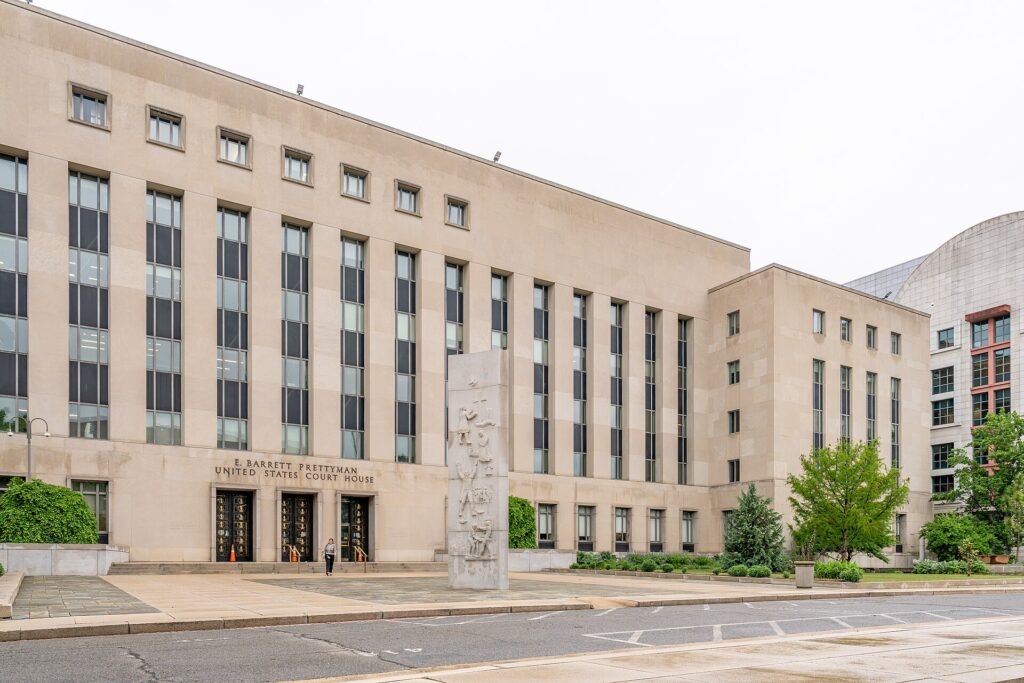
The new case was brought by the National Association of Ticketing Professionals, formerly the National Association of Ticket Brokers, which says it represents about 250 ticket-selling businesses. Two of its members joined: ASC Ticket Company of Gaithersburg, Maryland, and Stage Front Tickets, which has offices in Columbia, Maryland. The case, No. 1:26-cv-03620, is before U.S. District Judge Carl J. Nichols. The group asked for a preliminary injunction the same day.
Earlier that week, resale marketplaces including SeatGeek, Vivid Seats, Gametime and TickPick filed their own lawsuit with the Ticket Policy Forum, Pollstar reported. The brokers told the court their case is related to another pending case, No. 1:26-cv-3577.
What the brokers argue
The brokers make four main arguments against the price cap:
- It is too vague. The law does not say whether it covers only D.C. events, D.C. buyers or D.C. sellers. The complaint asks, for example, whether a Maryland reseller selling a Baltimore concert ticket to a D.C. resident would be covered. It also says resellers often cannot know a ticket’s original price, because tickets change hands several times.
- It reaches outside D.C. The brokers say the cap controls sales between people in other states, which they argue the Constitution’s Commerce Clause does not allow.
- It treats resellers unfairly. Venues and their ticketing partners can still charge whatever they like, while resellers are capped, which the brokers say violates equal protection.
- It goes beyond the Council’s power. Under the Home Rule Act, the D.C. Council can only pass laws that apply within the District, the complaint says.
The brokers also say the cap would hurt fans. Citing a report from Protect Ticket Rights, they say D.C. fans saved more than $6.1 million in 2024 by buying on the resale market instead of from the original seller. Under the law, each violation can bring a fine of $1,000 to $8,000.
How the cap got into the law
The complaint lays out a legislative history that the brokers say shows the cap was a late addition with little study behind it.
Councilmember Charles Allen introduced the bill in April 2025. In a June 2026 report, the Council’s Committee on Public Works and Operations removed both the resale price cap and a cap on marketplace fees, warning that capping only the resale market could risk “further consolidating monopoly power in the primary market.” City officials had also warned at a hearing that a cap could push fans toward “unregulated markets.”
Eight days after the committee’s vote, Allen and Councilmember Christina Henderson moved to put both caps back. Their amendment said the goal was to let ticket owners recover “what they paid and break even.” The full Council passed the act with the caps on July 14, 2026, and it became law on Sept. 25, 2026, according to the complaint.
The brokers also point to the support of I.M.P., which runs several of D.C.’s best-known music venues, including The Anthem. They argue that I.M.P. depends on Ticketmaster and Live Nation, which a federal jury in New York found in April 2026 had operated an illegal monopoly, in a case brought by D.C. and dozens of states.
What the law also does
The RESALE Act does more than cap prices. It also requires sellers to show the full ticket price up front, sets refund rules for canceled events, and bans speculative tickets, which are listings for tickets the seller does not yet have. The brokers’ lawsuit challenges only the resale price cap.
No response from the District appears on the brokers’ docket. Both groups want the cap blocked before it starts applying on Jan. 1, 2027.
Related: Son of Chicago blues label owner sues Willie Cobbs’ estate over song royalties.
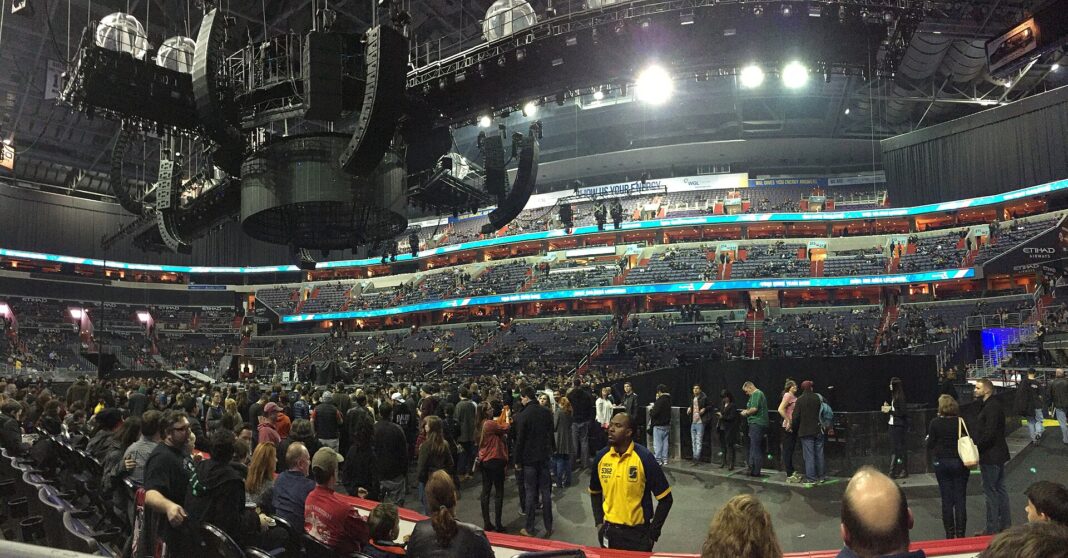
Featured image: Fans at a concert at the Washington, D.C., arena now called Capital One Arena, in 2016. Photo: Mrs. Gemstone / Wikimedia Commons (CC BY-SA 2.0)

