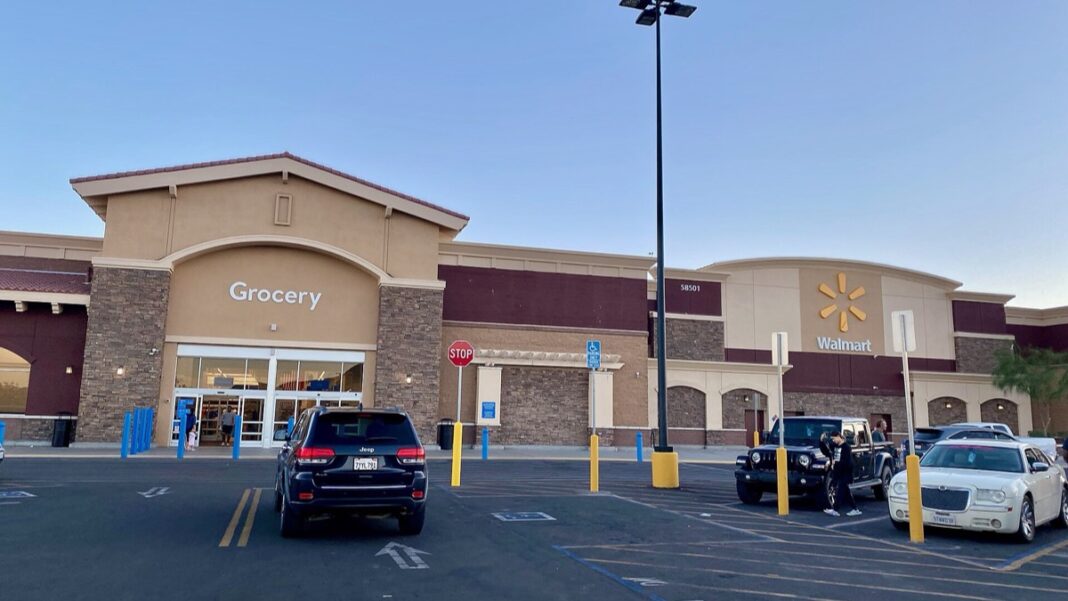
The companies behind the Coachella Valley Music and Arts Festival sued Walmart in Los Angeles federal court on Nov. 24, 2026, accusing the retailer of selling and advertising unlicensed Coachella-branded goods on and off for nearly a decade. The complaint says Walmart pulled the products each time it was warned, then started again.
Coachella Music Festival, LLC and Goldenvoice, LLC, which produces the festival, filed the 28-page complaint in the U.S. District Court for the Central District of California against Walmart, Inc. and Wal-Mart.com USA, LLC. The case number is 2:26-cv-13739. None of the claims has been proven in court.
What the festival says Walmart did
At the center of the suit are two Walmart stores in the Coachella Valley, where the festival is held at the Empire Polo Club: one in North Indio and one in La Quinta, both named by street address in the filing. The plaintiffs also point to listings on walmart.com, which the complaint says Walmart owns, operates or controls.
The complaint describes the problem as a repeating cycle. It says the festival’s requests have been “of minimal benefit” because Walmart “typically stops for a period of time, but then resumes its infringing conduct.” That pattern is easiest to follow in the dates the filing lists, which run from 2017 to this year.
| When | What the complaint alleges | What it says happened next |
|---|---|---|
| June 2017 | At least 28 apparel items showing the COACHELLA mark were advertised on walmart.com | After first resisting, Walmart removed them and passed on the makers’ contact details |
| April 2019 | The North Indio store sold apparel bearing the Coachella marks | Walmart removed the items after another demand |
| April 2022 | A promotion for Walmart’s “Dr. Thunder” soda used a photo with the festival’s Ferris wheel in the background | No outcome is stated |
| April 2023 | La Quinta store signage copied from past festival line-up posters, placed near coolers and folding chairs | Signs removed after a letter to Walmart’s general counsel |
| April 2026 | La Quinta store again offered goods showing Coachella marks, including the Ferris wheel | The lawsuit followed in November |
Two of those episodes involve more than merchandise. On the 2022 soda promotion, the complaint says the festival owns the copyright in all images and video made on its grounds under its ticket terms, so by using such a photo Walmart either breached that contract or induced someone else to.
The 2026 episode involves a festival sponsor. According to the filing, the La Quinta store used a point-of-sale Ferris wheel sign “produced by Festival sponsor Absolut Vodka,” which the plaintiffs say suggested the goods were authentic Coachella items.
The complaint also cites Instagram videos from The Desert Sun, a Palm Springs outlet, showing Coachella-branded tumblers, bottles and tank tops at the North Indio store.
The marks the festival is relying on
The Coachella Walmart lawsuit rests on what the festival says it owns. The complaint lists 12 federal trademark registrations covering COACHELLA, a stylized COACHELLA, COACHELLA VALLEY MUSIC AND ARTS FESTIVAL, CHELLA and a palm-tree “C” logo.
By our count of that list, 10 of the 12 are described as incontestable under federal law; the two newest entries, one CHELLA registration and the palm logo, carry no such note.
The festival also claims trade dress, meaning the overall look of its branding. The filing defines it as combinations of a Ferris wheel, palm tree silhouettes, the surrounding mountains, grass and a gradient background.
Two registrations named in the suit cover shirts, hoodies, tank tops and empty water bottles, and the complaint ties those registrations to the apparel and water bottles in its photos.
A footnote adds that some of the 2023 signs also showed branding from the Stagecoach country music festival, which is produced by a subsidiary of the plaintiffs’ parent company on the same grounds the weekend after Coachella.
A “serial infringer” section
Beyond its own dispute, the complaint spends several pages on Walmart’s wider litigation history under a heading calling the retailer a “serial infringer.” It cites suits involving Yeti, Crocs, Vans and Deckers, and says, “on information and belief,” that Walmart settled with Tommy Hilfiger for $6.4 million in 1998 and with Nike for over $1 million in 1999.
The filing also states, again on information and belief, that Walmart was a defendant in 66 federal patent, trademark or copyright cases between Jan. 1, 2016, and Dec. 22, 2017. These are the plaintiffs’ characterizations of other cases, and the complaint does not say how each one ended beyond a few examples.
What Coachella is asking for
The suit brings three claims: federal trademark infringement, false designation of origin under the Lanham Act, and unfair competition and false advertising under California law. It names no dollar figure. Instead, it asks the court to award damages and trebled damages for what it calls willful infringement, along with Walmart’s profits from the goods.
The request for relief goes further than money. The plaintiffs want a temporary restraining order and preliminary and permanent injunctions barring Walmart from using the Coachella marks, plus punitive damages under California law, the cost of any corrective advertising, and attorneys’ fees. They have demanded a jury trial.
The complaint also stresses Walmart’s size. It puts the company’s 2025 global revenue at about $692 billion and says roughly 90% of U.S. residents live within 10 miles of a Walmart store.
Where the case stands
The CourtListener docket showed four entries as of Nov. 25, all dated Nov. 24: the complaint, a trademark-action report, a corporate disclosure statement and a notice of interested parties. It listed no response from Walmart and no motion for a restraining order filed separately from the complaint.
The complaint itself quotes Walmart’s usual reply to infringement suits, a statement that it takes such allegations “seriously” and will respond once served. The docket entries we reviewed did not include a Walmart response to this case.
Featured image: A Walmart Supercenter in Yucca Valley, California, in 2023 (illustrative; not one of the stores named in the suit). Photo: YosemiteYamper / Wikimedia Commons (CC BY-SA 4.0)

